


📷 Niseko Grand Hirafu
Asia
Niseko Grand Hirafu
Closed for the season
Best months to book: February, March, January · last season + 30-yr record
Scroll for happiness
Pre-season — not open yet — closed May 6
Weather data is still collected for informational purposes.
Last Snowfall
--
Past 24 Hours
0cm
Past 48 Hours
0cm
Past 10 Days
0cm
7-Day Forecast
0cm
Snow Depth
--
Niseko Grand Hirafu is closed for the season. Here is when it is usually best to book.
Best months to book
- #1February51cm avg · scored 34
- #2March45cm avg · scored 35.8
- #3January64cm avg
Best weeks to book
- #1 8 Mar – 14 Mar · 42.1
- #2 1 Mar – 7 Mar · 40.1
- #3 22 Feb – 28 Feb · 34
Ranked on 25% last season's SnowSure score (2025-26) · 75% 30-year snowfall and base-depth record. The live score returns when the lifts turn.
Current Conditions
Reported Mon, Oct 5, 05:00 PM UTC
Terrain Open
Pre-season — not open yet
Last season ended May 6, 2026
22 runs · 12 lifts — live counts and the SnowSure™ Score return when the lifts turn.
Days 8–14 and every model are in SnowSure Pro.
Unlock with ProHistorical data from Open-Meteo archive • Forecast: SnowSure™ multi-model blend
Maps
All maps for Niseko Grand Hirafu →
Webcams & Proof of Powder
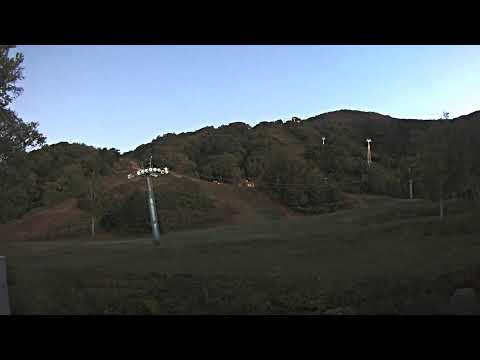
All webcams & Proof of Powder →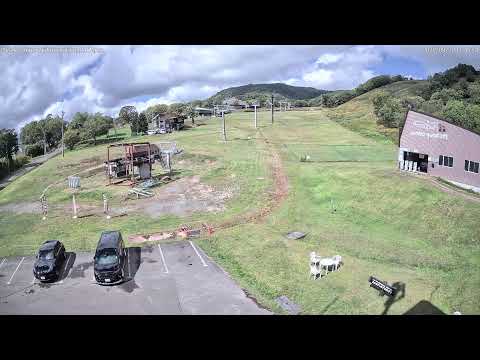


About Niseko Grand Hirafu
Niseko Grand Hirafu is located on Japan’s northern island of Hokkaido and is renowned for its abundant, light powder snow and expansive ski terrain. The resort features a wide variety of runs suitable for all levels, modern lift infrastructure, and direct access to the lively Hirafu village, which offers a range of dining, accommodation, and après-ski options. Signature experiences include night skiing on illuminated slopes and panoramic views of Mount Yotei. Grand Hirafu stands out for its reliable snowfall, international atmosphere, and seamless integration with the larger Niseko United ski area.
Read the full resort guide →Frequently asked questions about Niseko Grand Hirafu
- Where is Niseko Grand Hirafu?
- Niseko Grand Hirafu is a ski resort in Japan.
- How high is Niseko Grand Hirafu?
- Niseko Grand Hirafu runs from a base elevation of 260 m (853 ft) to a summit of 1,200 m (3,937 ft), giving a vertical drop of 940 m (3,084 ft).
- How big is Niseko Grand Hirafu?
- Niseko Grand Hirafu has 803 acres (325 hectares) of skiable terrain, 22 marked runs and 12 lifts.
- Which ski pass covers Niseko Grand Hirafu?
- Niseko Grand Hirafu is on the Ikon Pass and Mountain Collective. Access terms such as blackout dates and day limits vary by pass tier, so check the pass operator for the current season.
- When is ski season at Niseko Grand Hirafu?
- Niseko Grand Hirafu typically operates from November to May. Exact opening and closing dates shift each year with snowfall — check the resort's current season dates before booking.
- How much snow does Niseko Grand Hirafu get in a typical season?
- Niseko Grand Hirafu averages 551 inches / 1400 cm of snowfall in a typical season. Any individual season can run well above or below that.
- How will El Niño affect Niseko Grand Hirafu in winter 2026-27?
- El Niño Signal Rank: #407 of 488 SnowSure resorts · Tier E · strong-event signal -15% vs its own 30-yr average. In the three strongest El Niño winters on record ('97-98, '15-16, '23-24), Niseko Grand Hirafu averaged -15% versus its own 30-year snowfall baseline. The honest read: this is the fleet's deepest timing play. The snow still comes — but in Japan the El Niño hit lands on the season's edges, not the heart of the sea-effect window. Point your winter 2026-27 trip at the mid-winter core (January to mid-February), stay flexible on dates, and watch our monthly scorecard. Analog winters: '97-98 -46%, '15-16 -22%, '23-24 +23%. One caveat that always holds: a single storm cycle can beat the climatology.


