
Europe
Beitostølen Resort Guide
Closed for the season
Season ended April 12, 2026
Best months to book: January, March, February · 30-yr snow record
Scroll for happiness
Closed for the season — closed April 12
Weather data is still collected for informational purposes.
Last Snowfall
--
Past 24 Hours
0cm
Past 48 Hours
0cm
Past 10 Days
0cm
7-Day Forecast
0cm
Snow Depth
--
Resort Guide
Beitostølen is a ski resort located in the Valdres region of Norway, offering a blend of alpine and cross-country skiing with slopes suitable for families and beginners as well as more advanced skiers. The resort features a compact village atmosphere, modern ski lifts, and direct access to extensive trails in the Jotunheimen mountains. Signature experiences include night skiing, dog sledding, and winter activities beyond skiing, complemented by a range of accommodations, restaurants, and wellness facilities. Beitostølen stands out for its scenic mountain setting and year-round outdoor recreation opportunities.
Gallery
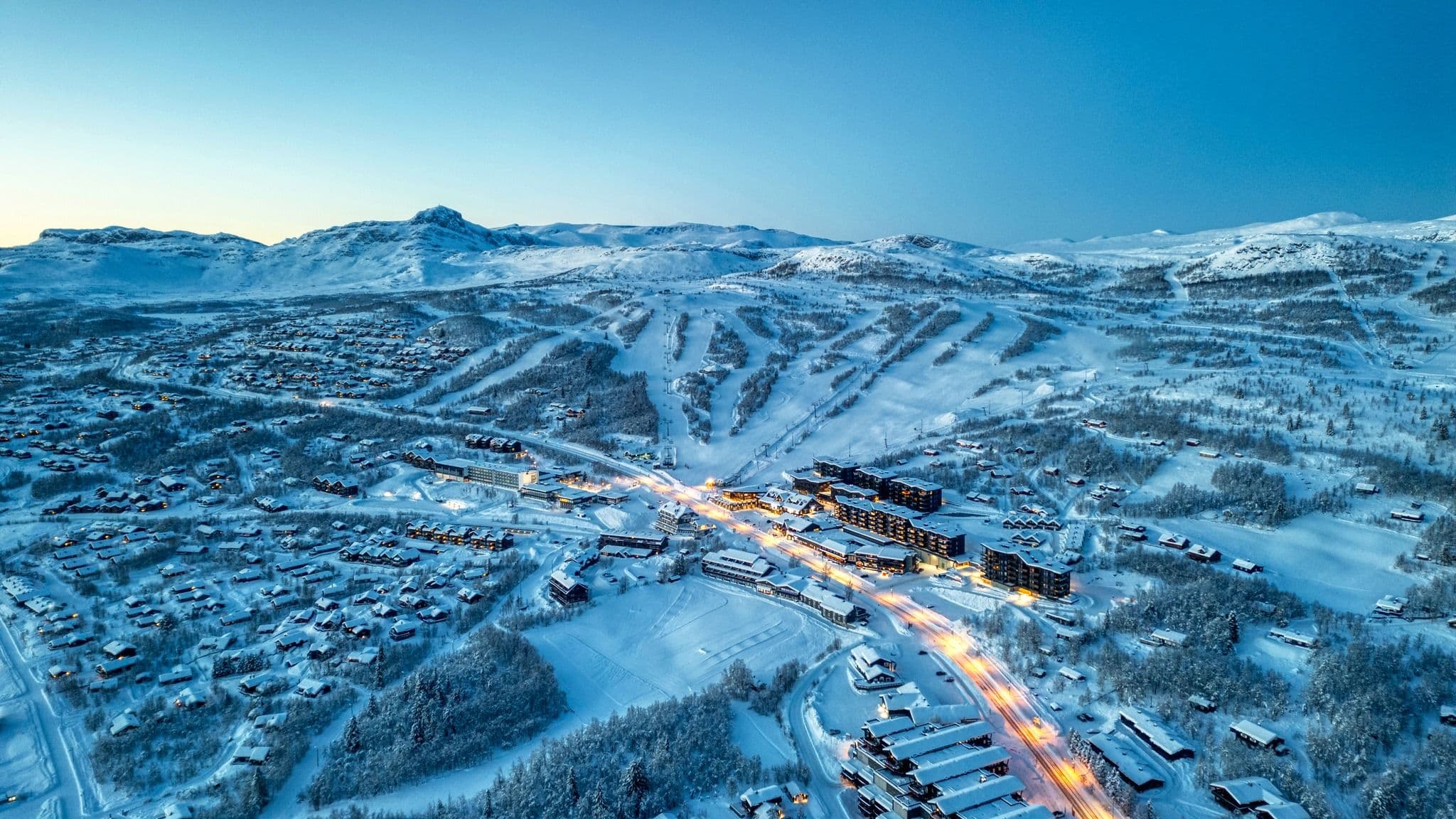
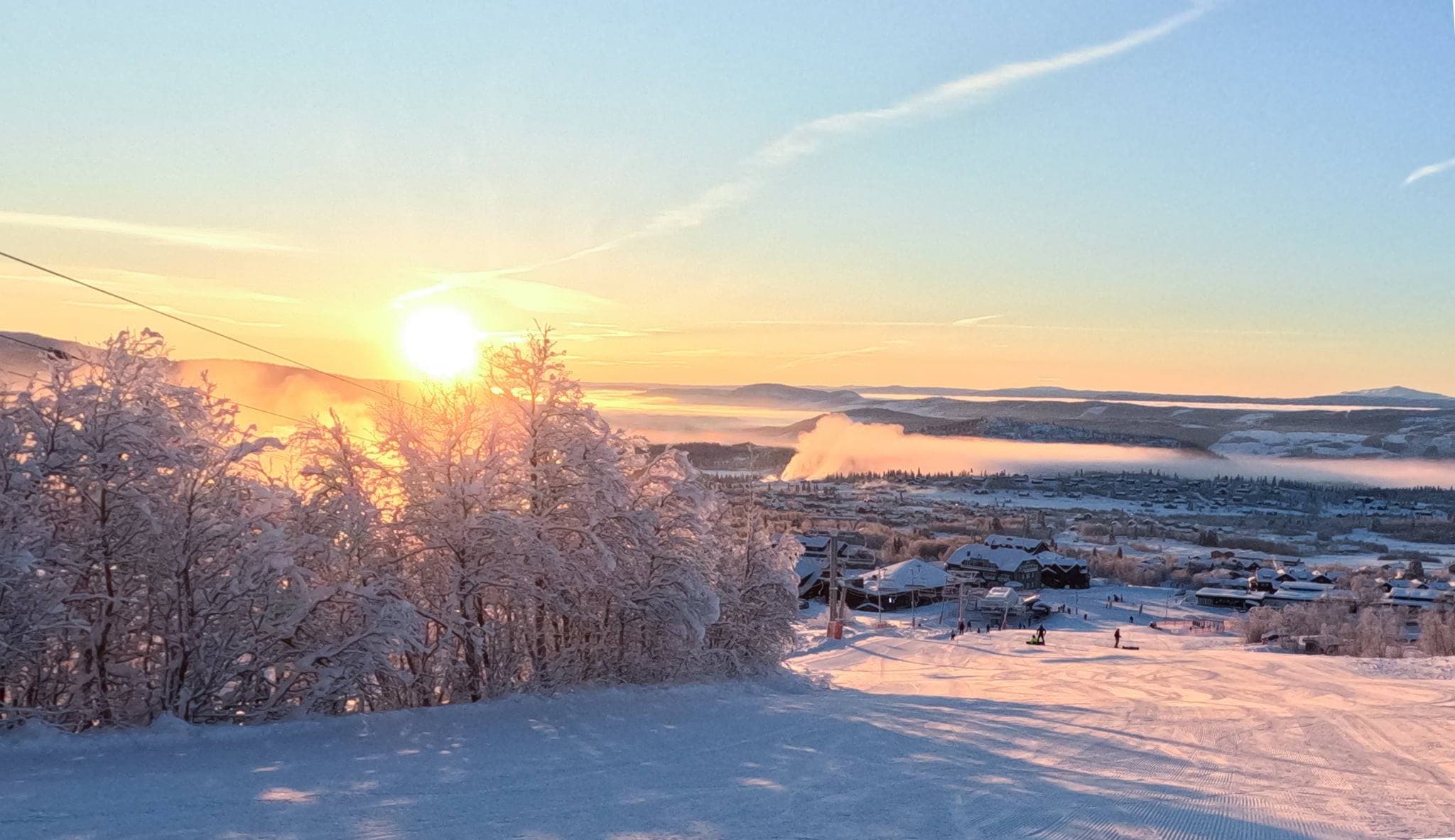
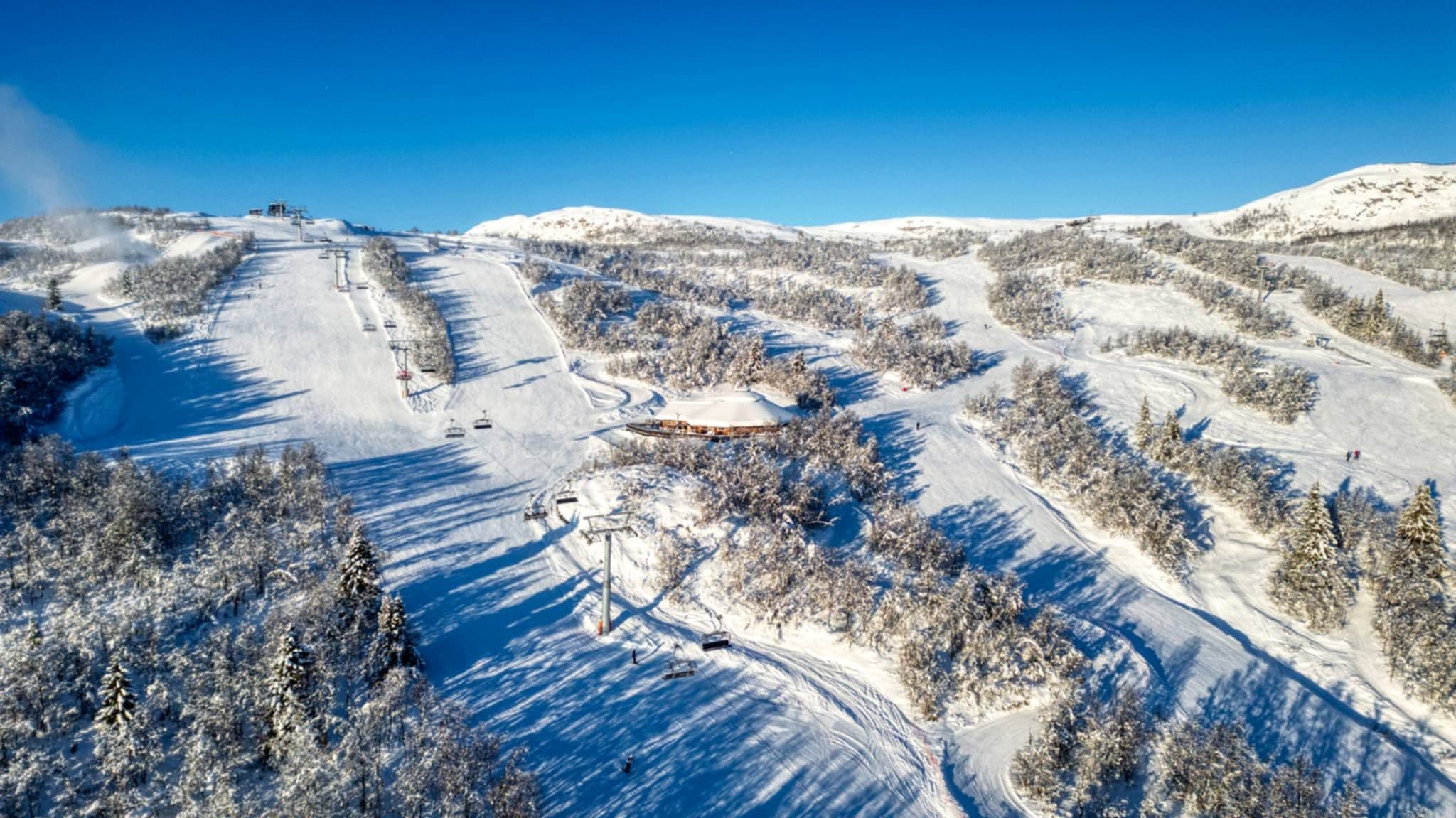
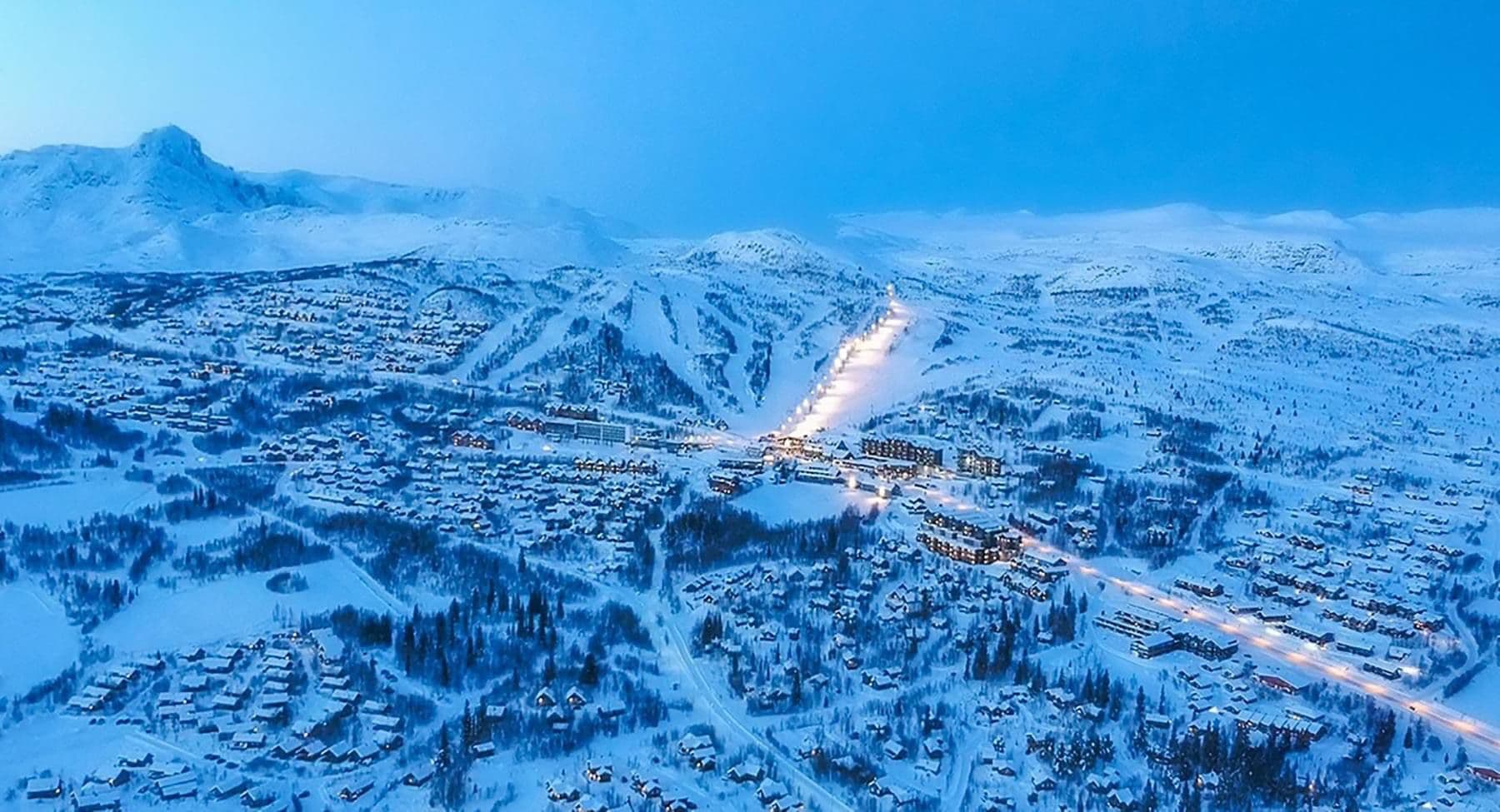
Click to expand • 5 total photos
Terrain & lifts
Resort-reported stats for Beitostølen
Lifts
8
Skiable area
915.9 ac
Longest run
3 km / 1.86 mi
Runs by difficulty(22 total)
Beginner
17
75% of terrain
Intermediate
5
25% of terrain
Run counts estimated from resort-reported totals and terrain mix.
Lift fleet
- High-speed 61
- Triple chair1
- Surface lift4
Resort Info
Season dates
Future dates are operator estimates and may change.
Ski passes
No ski pass found
Access tiers change by season — confirm benefits on the pass operator's site.
Top Après Ski
Svingen Pub – A cozy and popular après-ski spot in Beitostølen, Svingen Pub is known for its welcoming atmosphere, live music events, and a great selection of drinks, making it a favorite gathering place for skiers to unwind after a day on the slopes.
Season vs Historic
Updated Sun, Sep 20, 11:01 PM UTC
0cm
Season Total
This Season to Date
—
vs 5-Year Avg
Off-season · 219cm full-season avg
—
vs 30-Year Avg
Off-season · 241cm full-season avg
219cm
5-Yr Avg by Now
The last completed season totaled ~192.7 cm. That's 12% below the 5-year average (219 cm). Versus the 30-year baseline: 20% below the 30-year average (241 cm).
Beitostølen Season Snowfall
Loading the ledger…
Beitostølen Snow History
Average annual snowfall is 311cm with an average of 141 snowfall days per season. The table below shows monthly averages across 30 seasons of archive data (modeled snowpack at mid-elevation).
| Month | Avg Snowfall | Snowfall Days | Avg Base Depth | Max Base Depth | Biggest Snowfall |
|---|---|---|---|---|---|
| November | 48cm | 19 days | 33cm | 52cm | 10cm |
| December | 46cm | 20 days | 66cm | 83cm | 9cm |
| January | 50cm | 20 days | 93cm | 110cm | 9cm |
| February | 36cm | 18 days | 106cm | 118cm | 7cm |
| March | 37cm | 18 days | 111cm | 121cm | 8cm |
| April | 32cm | 15 days | 103cm | 118cm | 8cm |
| May | 20cm | 11 days | 59cm | 94cm | 7cm |
Source: SnowSure archive · Open-Meteo ERA5 reanalysis at mid-elevation. Depth is modeled, not resort-reported.
Best Months to Visit
February
Peak Season
January
Peak Season
March
Good
December
Good
Note: Based on typical ski season patterns for this region.
Frequently asked questions about Beitostølen
- Where is Beitostølen?
- Beitostølen is a ski resort in Norway.
- How high is Beitostølen?
- Beitostølen runs from a base elevation of 900 m (2,953 ft) to a summit of 1,101 m (3,612 ft), giving a vertical drop of 201 m (659 ft).
- How big is Beitostølen?
- Beitostølen has 916 acres (371 hectares) of skiable terrain, 22 marked runs and 8 lifts.
- Which ski pass covers Beitostølen?
- Beitostølen is on the No ski pass found. Access terms such as blackout dates and day limits vary by pass tier, so check the pass operator for the current season.
- When is ski season at Beitostølen?
- Beitostølen typically operates from November to April. Exact opening and closing dates shift each year with snowfall — check the resort's current season dates before booking.
- How much snow does Beitostølen get in a typical season?
- Beitostølen averages 102 inches / 258 cm of snowfall in a typical season. Any individual season can run well above or below that.


