
North America
Eaglecrest Ski Area Resort Guide
Projected to open Dec 12
Projected to open December 12, 2026
Best months to book: March, January, February · 30-yr snow record
Scroll for happiness
Projected to open Dec 12 — closed April 11
Weather data is still collected for informational purposes.
Last Snowfall
Oct 17
todayPast 24 Hours
0cm
Past 48 Hours
4cm
Past 10 Days
4cm
7-Day Forecast
23cm
Snow Depth
--
Resort Guide
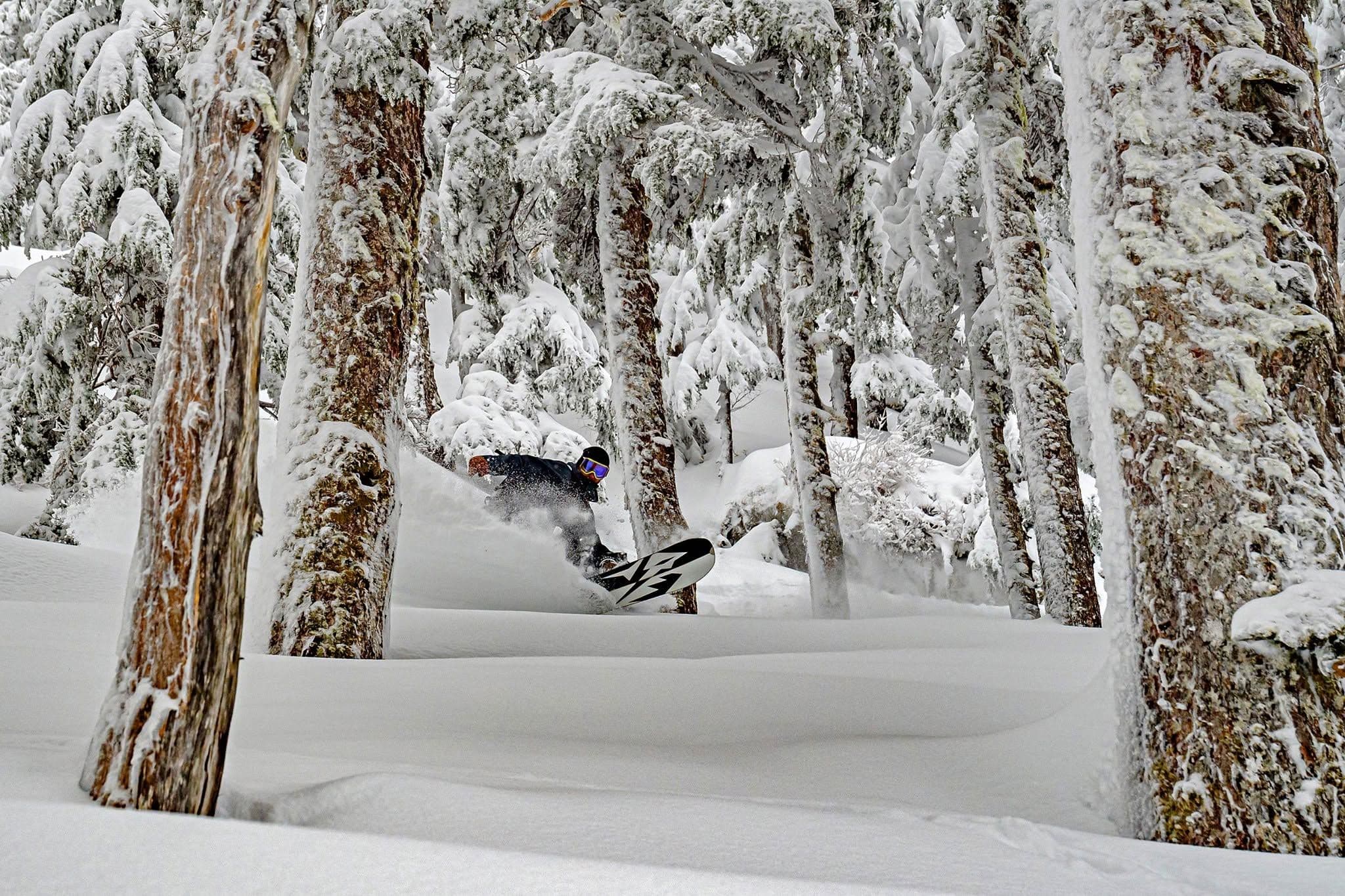
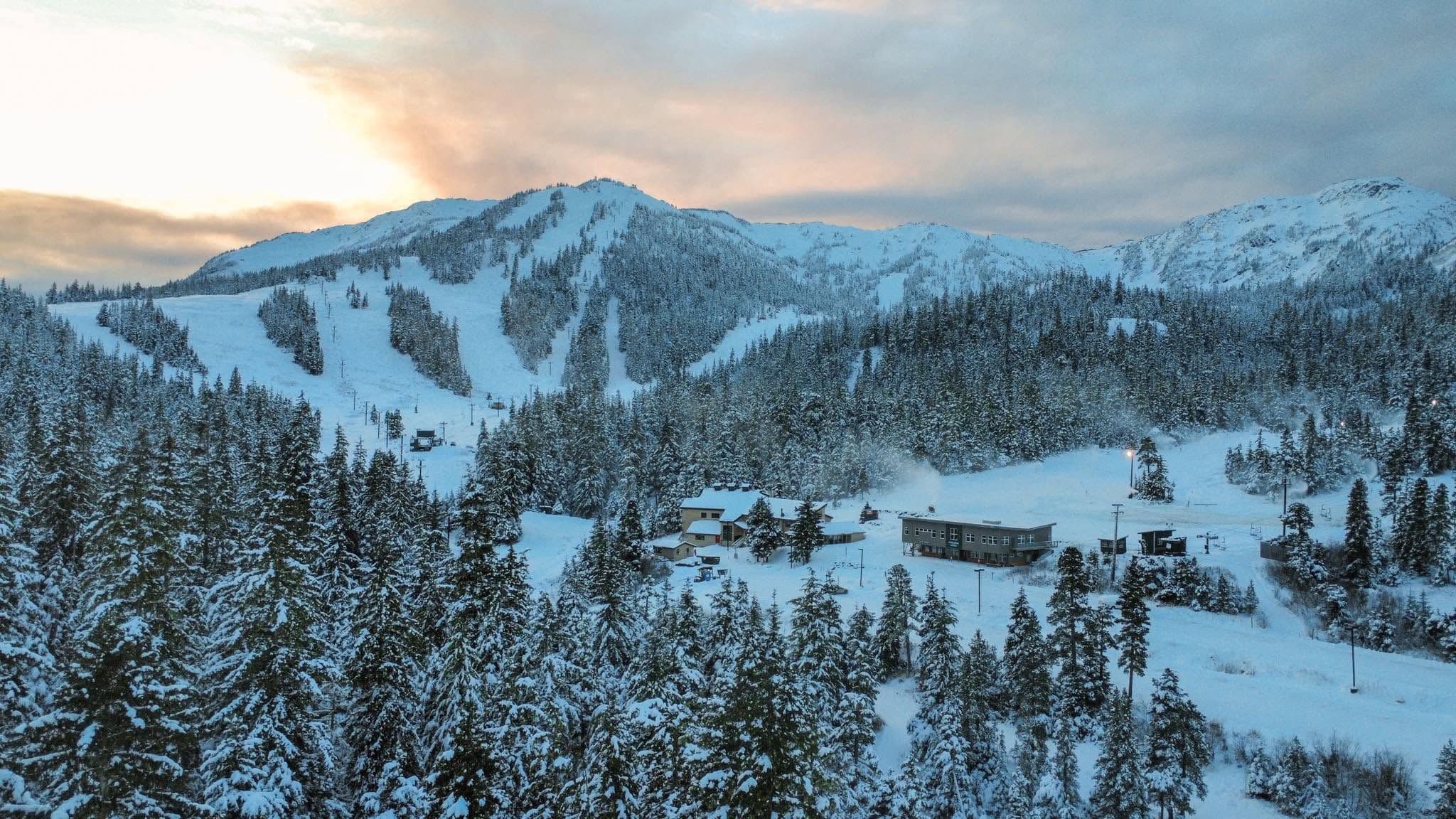
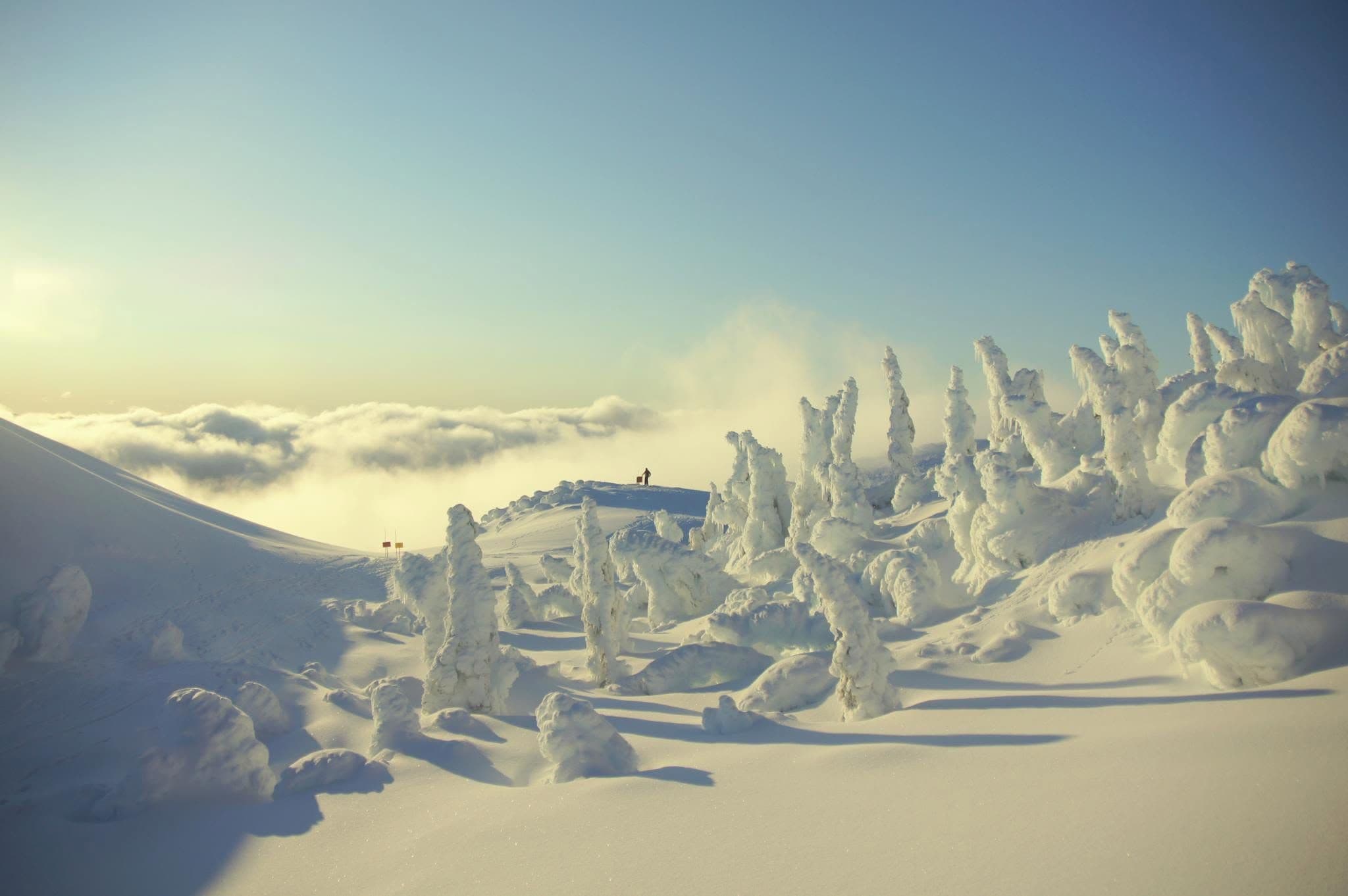
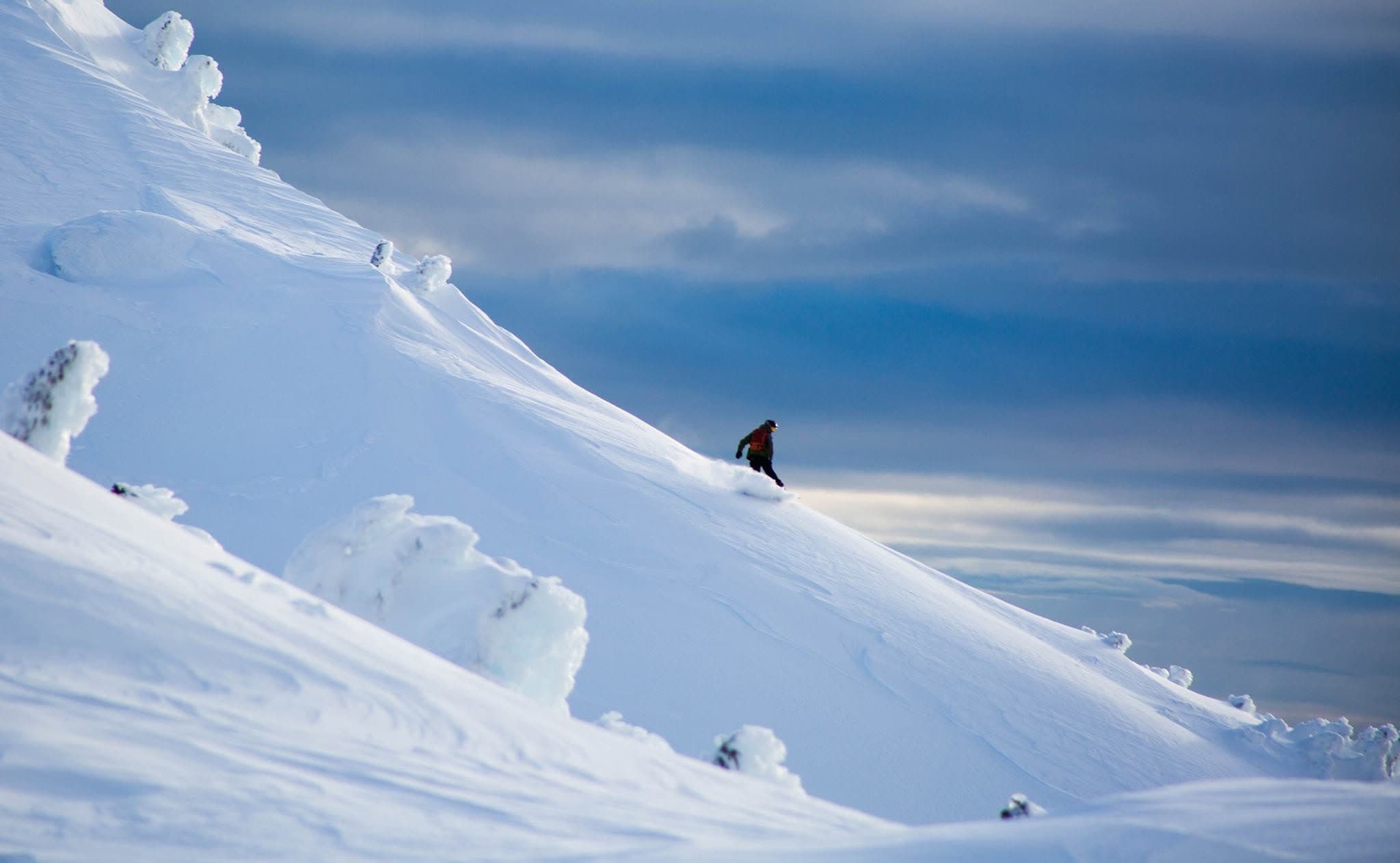
Eaglecrest Ski Area is located on Douglas Island near Juneau, Alaska, offering 640 acres of skiable terrain across four double chairlifts. The resort features a relaxed, community-focused atmosphere with diverse runs for all abilities, including glades, groomers, and backcountry access. Signature experiences include panoramic views of the surrounding mountains and ocean, as well as Nordic skiing and snowshoeing trails. Key amenities include a day lodge, equipment rentals, and ski school programs, making it a welcoming destination for families and adventure seekers alike.
Gallery
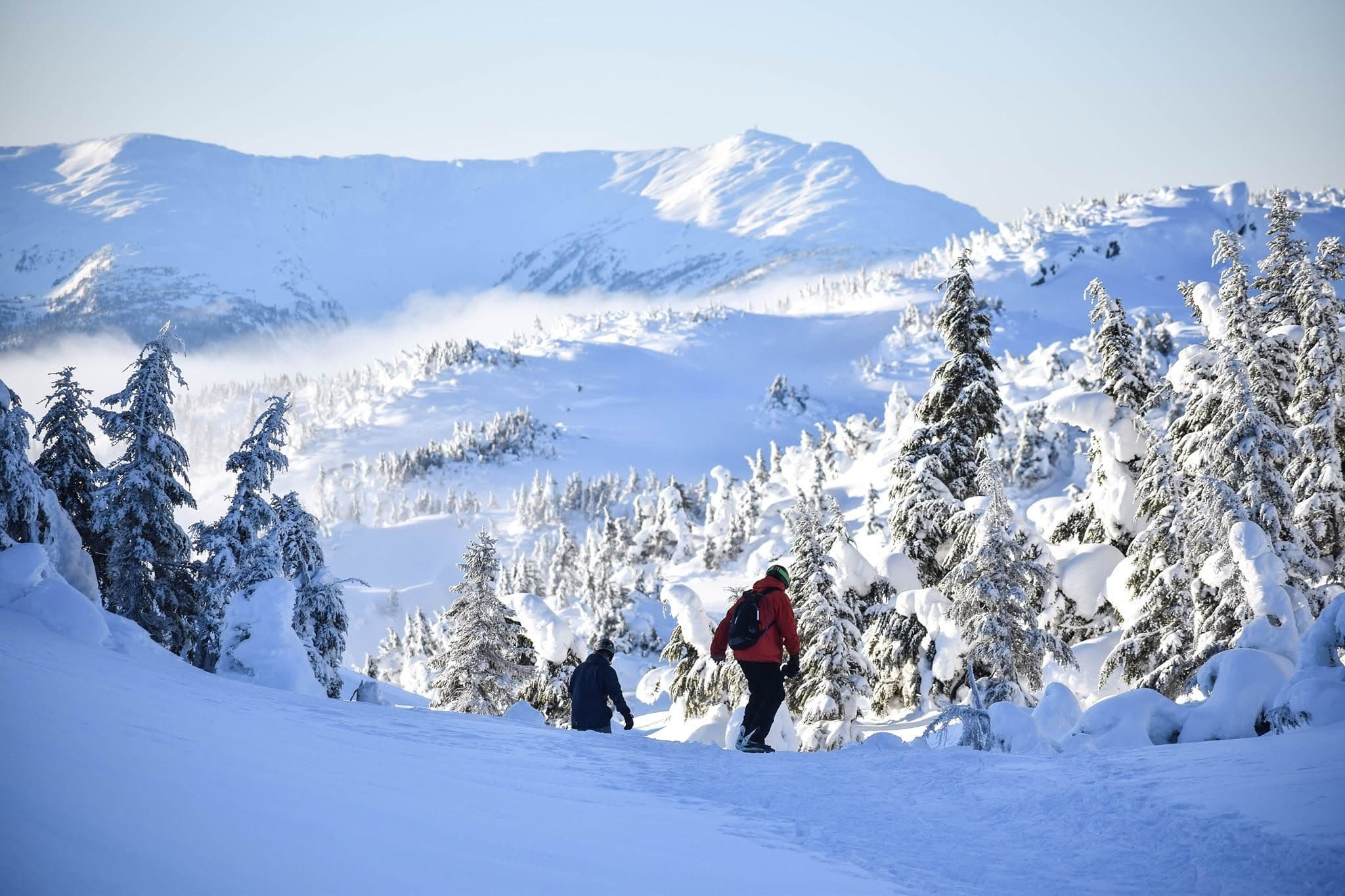
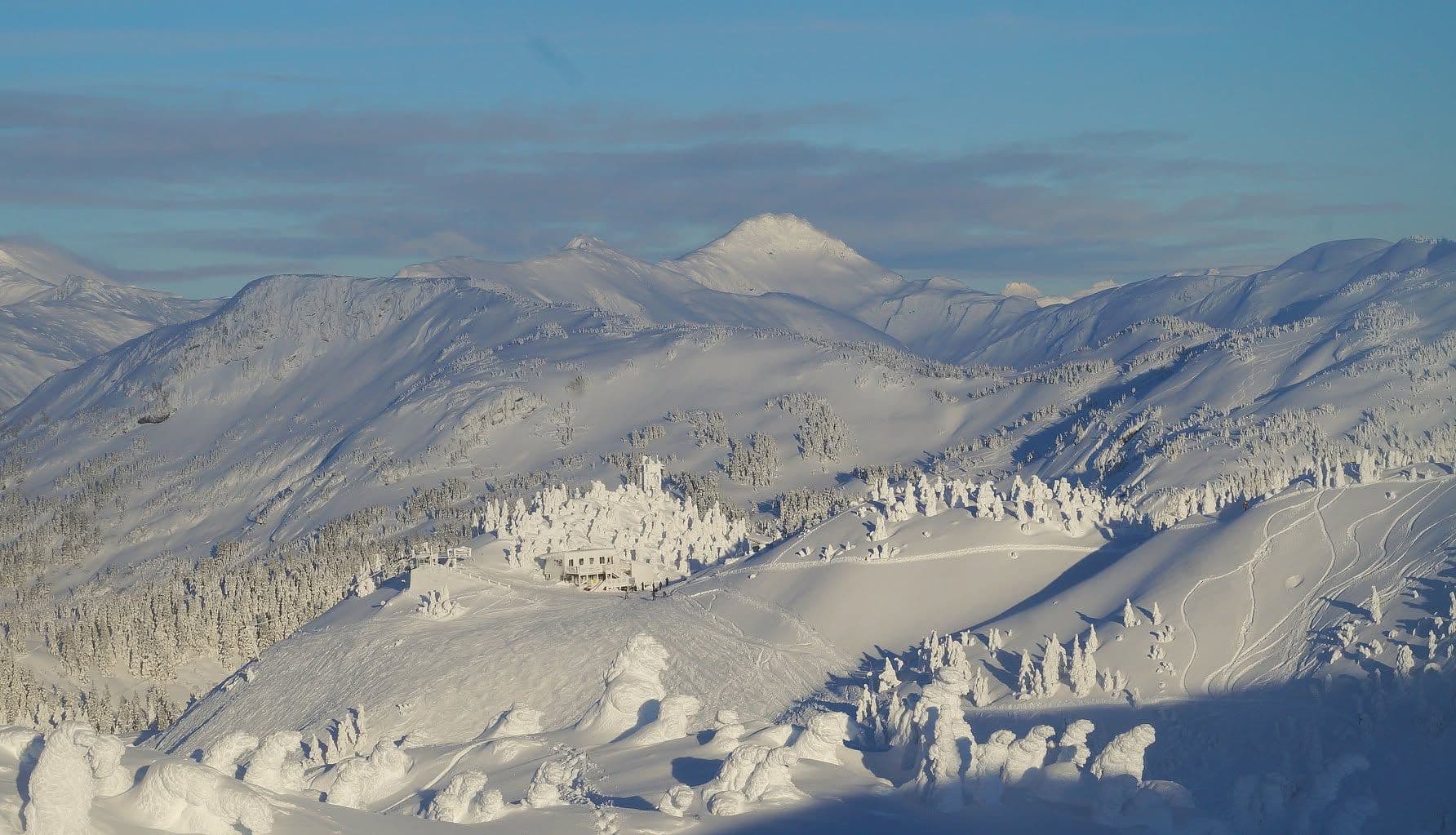
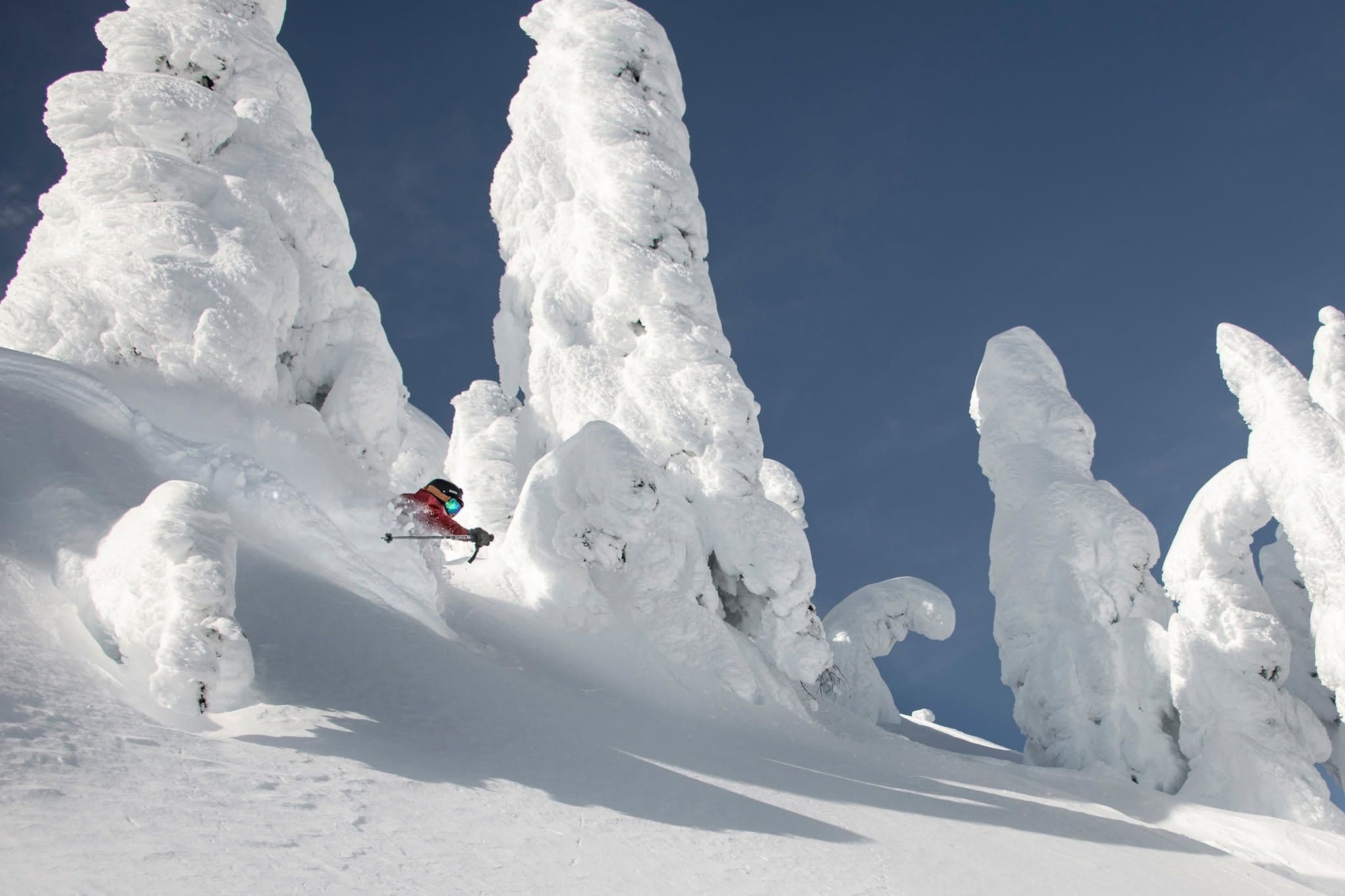
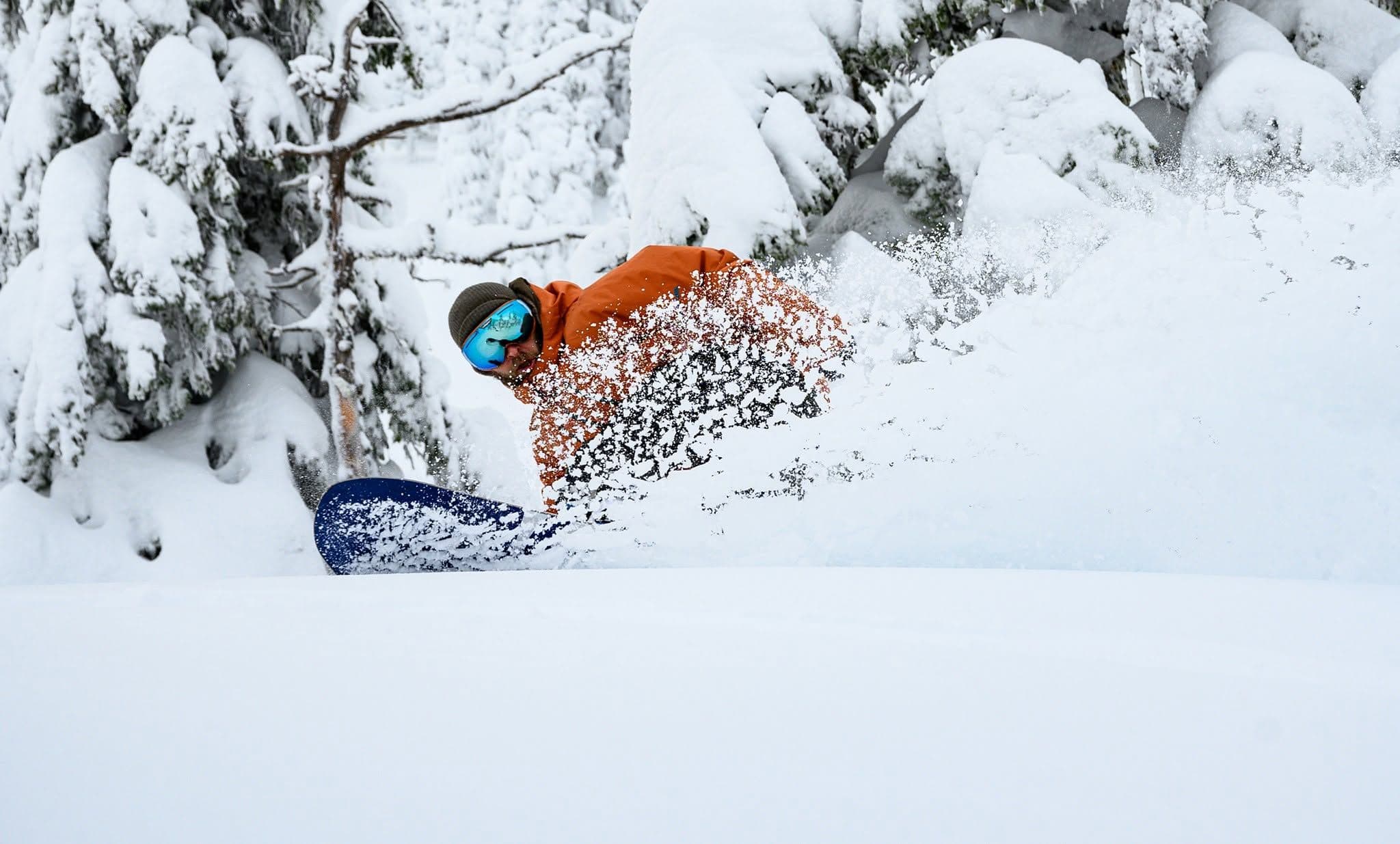
Click to expand • 9 total photos
Terrain & lifts
Resort-reported stats for Eaglecrest Ski Area
Lifts
4
Skiable area
640 ac
Longest run
3.2 km / 2 mi
Resort Info
Season dates
Future dates are operator estimates and may change.
Ski passes
Indy Pass
Powder Alliance
Freedom Pass
Access tiers change by season — confirm benefits on the pass operator's site.
Top Après Ski
Check local recommendations for the best après ski spots in Eaglecrest Ski Area.
Season vs Historic
Updated Sat, Oct 17, 12:07 PM UTC
4cm
Season Total
This Season to Date
-100%
vs 5-Year Avg
1,110cm avg by now
-100%
vs 30-Year Avg
1,031cm avg by now
1,110cm
5-Yr Avg by Now
The last completed season totaled ~0 cm. That's 100% below the 5-year average (1110 cm). Versus the 30-year baseline: 100% below the 30-year average (1031 cm).
Eaglecrest Ski Area Season Snowfall
Loading the ledger…
Eaglecrest Ski Area Snow History
Average annual snowfall is 771cm with an average of 105 snowfall days per season. The table below shows monthly averages across 30 seasons of archive data (modeled snowpack at mid-elevation).
| Month | Avg Snowfall | Snowfall Days | Avg Base Depth | Max Base Depth | Biggest Snowfall |
|---|---|---|---|---|---|
| November | 117cm | 16 days | 51cm | 87cm | 17cm |
| December | 154cm | 18 days | 112cm | 147cm | 24cm |
| January | 147cm | 19 days | 161cm | 198cm | 22cm |
| February | 117cm | 15 days | 199cm | 225cm | 21cm |
| March | 116cm | 16 days | 227cm | 252cm | 19cm |
| April | 63cm | 11 days | 220cm | 247cm | 14cm |
| May | 12cm | 2 days | 146cm | 199cm | 6cm |
Source: SnowSure archive · Open-Meteo ERA5 reanalysis at mid-elevation. Depth is modeled, not resort-reported.
Season at a Glance
Next season(2026-27)
Opens Dec 12, 2026
Through Apr 11, 2027
Multi-season averages will appear once SnowSure has tracked more than one full season.
Best Months to Visit
February
Peak Season
January
Peak Season
March
Good
December
Good
Note: Based on typical ski season patterns for this region.
Frequently asked questions about Eaglecrest Ski Area
- Where is Eaglecrest Ski Area?
- Eaglecrest Ski Area is a ski resort in the United States.
- How high is Eaglecrest Ski Area?
- Eaglecrest Ski Area runs from a base elevation of 366 m (1,201 ft) to a summit of 838 m (2,749 ft), giving a vertical drop of 472 m (1,549 ft).
- How big is Eaglecrest Ski Area?
- Eaglecrest Ski Area has 640 acres (259 hectares) of skiable terrain, 36 marked runs and 4 lifts.
- Which ski pass covers Eaglecrest Ski Area?
- Eaglecrest Ski Area is on the Indy Pass, Powder Alliance and Freedom Pass. Access terms such as blackout dates and day limits vary by pass tier, so check the pass operator for the current season.
- When is ski season at Eaglecrest Ski Area?
- Eaglecrest Ski Area typically operates from December to April. Exact opening and closing dates shift each year with snowfall — check the resort's current season dates before booking.
- How much snow does Eaglecrest Ski Area get in a typical season?
- Eaglecrest Ski Area averages 260 inches / 660 cm of snowfall in a typical season. Any individual season can run well above or below that.


