
📷 Trollhaugen Outdoor Recreation Area
North America
Trollhaugen Outdoor Recreation Area
Pre-season — not open yet
Projected to open November 13, 2026
Best months to book: February, January, March · 30-yr snow record
Scroll for happiness
Pre-season — not open yet
Weather data is still collected for informational purposes.
Last Snowfall
--
Past 24 Hours
0cm
Past 48 Hours
0cm
Past 10 Days
0cm
7-Day Forecast
0cm
Snow Depth
--
Trollhaugen Outdoor Recreation Area is closed for the season. Here is when it is usually best to book.
Best months to book
- #1February16cm avg
- #2January16cm avg
- #3March18cm avg
Ranked on 30-year snowfall and base-depth record. The live score returns when the lifts turn.
Current Conditions
Reported Mon, Oct 5, 05:05 PM UTC
Terrain Open
Pre-season — not open yet
Projected to open November 13, 2026
24 runs · 8 lifts — live counts and the SnowSure™ Score return when the lifts turn.
Days 8–14 and every model are in SnowSure Pro.
Unlock with ProHistorical data from Open-Meteo archive • Forecast: SnowSure™ multi-model blend
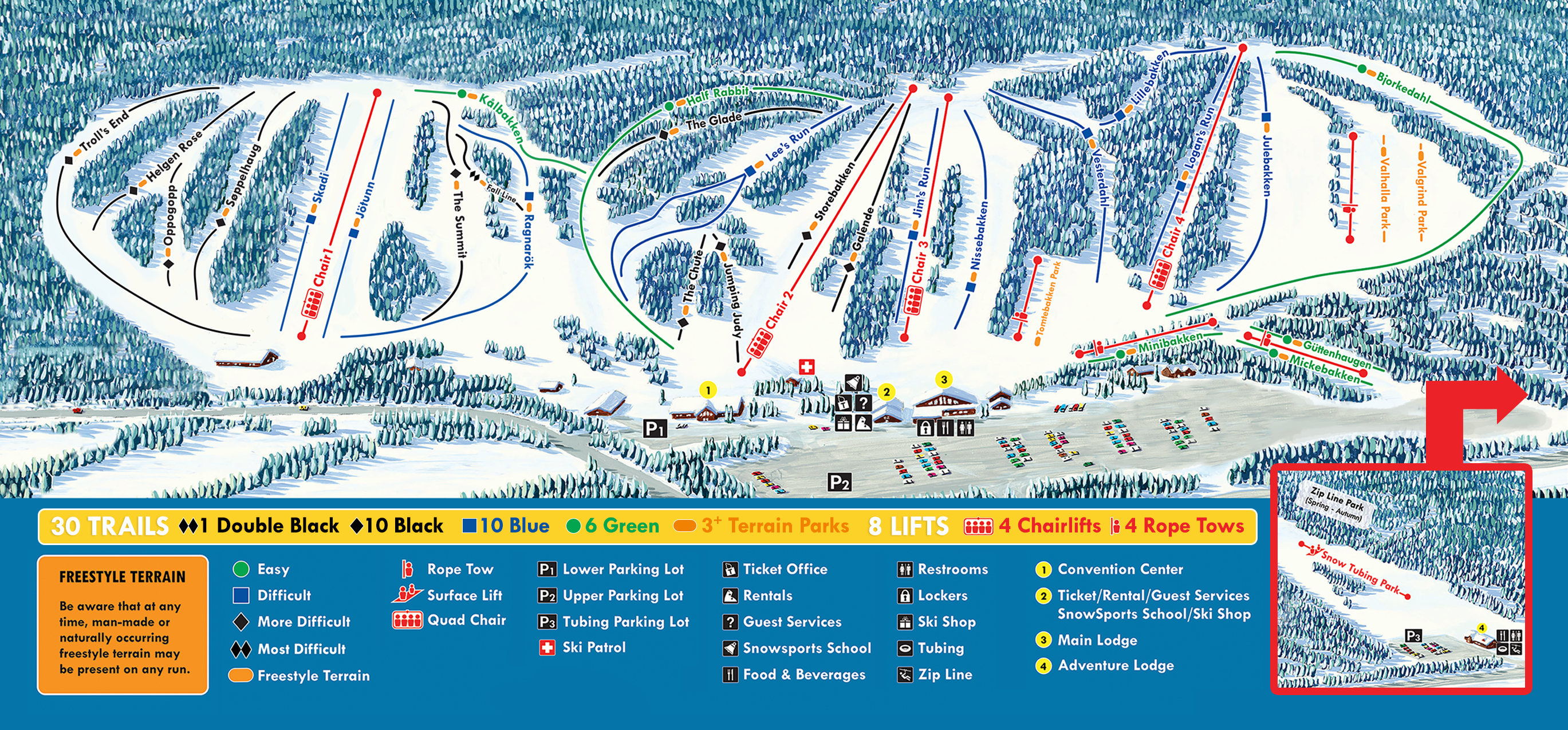
Maps
All maps for Trollhaugen Outdoor Recreation Area →
Webcams & Proof of Powder
Live cams, snow stakes, and verified storm footageAll webcams & Proof of Powder →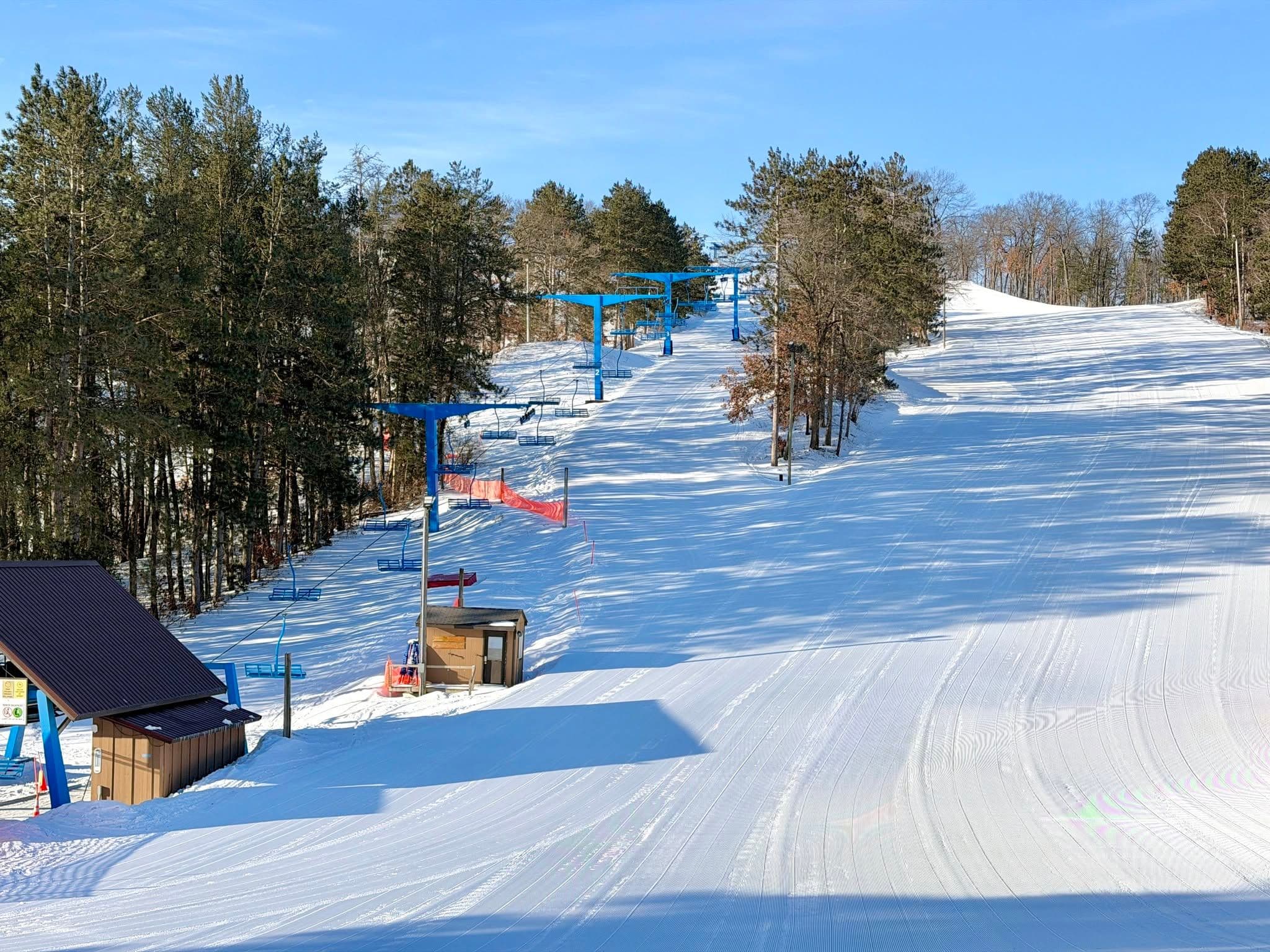
About Trollhaugen Outdoor Recreation Area
Trollhaugen Outdoor Recreation Area is located in Dresser, Wisconsin, offering 100 acres of skiable terrain with 24 runs, three terrain parks, and a tubing hill. The resort features a welcoming, family-friendly atmosphere and is known for its night skiing, with most trails illuminated for extended hours. Key amenities include a full-service rental shop, ski and snowboard lessons, and a cozy chalet with dining options. Trollhaugen stands out for its accessible location, vibrant après-ski scene, and year-round adventure activities.
Read the full resort guide →Frequently asked questions about Trollhaugen Outdoor Recreation Area
- Where is Trollhaugen Outdoor Recreation Area?
- Trollhaugen Outdoor Recreation Area is a ski resort in the United States.
- How high is Trollhaugen Outdoor Recreation Area?
- Trollhaugen Outdoor Recreation Area runs from a base elevation of 280 m (919 ft) to a summit of 366 m (1,201 ft), giving a vertical drop of 86 m (282 ft).
- How big is Trollhaugen Outdoor Recreation Area?
- Trollhaugen Outdoor Recreation Area has 90 acres (36 hectares) of skiable terrain, 24 marked runs and 8 lifts.
- Which ski pass covers Trollhaugen Outdoor Recreation Area?
- Trollhaugen Outdoor Recreation Area is on the Indy Pass. Access terms such as blackout dates and day limits vary by pass tier, so check the pass operator for the current season.
- How much snow does Trollhaugen Outdoor Recreation Area get in a typical season?
- Trollhaugen Outdoor Recreation Area averages 51 inches / 130 cm of snowfall in a typical season. Any individual season can run well above or below that.
- How will El Niño affect Trollhaugen Outdoor Recreation Area in winter 2026-27?
- El Niño Signal Rank: #482 of 488 SnowSure resorts · Tier E · strong-event signal -33% vs its own 30-yr average. In the three strongest El Niño winters on record ('97-98, '15-16, '23-24), Trollhaugen Outdoor Recreation Area averaged -33% versus its own 30-year snowfall baseline. Historically this is a timing play rather than a reason to stay home: aim for late winter (February–March) in winter 2026-27. Analog winters: '97-98 -29%, '15-16 -26%, '23-24 -43%. A pattern, not a promise.


