
📷 White Pass
North America
White Pass
Closed for the season
No full 2025-26 season on record here yet.
Best months to book: March, February, January · last season + 31-yr record
Scroll for happiness
Closed for the season — closed April 12
Weather data is still collected for informational purposes.
Last Snowfall
Sep 13
6d agoPast 24 Hours
0cm
Past 48 Hours
0cm
Past 10 Days
1cm
7-Day Forecast
0cm
Snow Depth
--
Powder Days
11
2026–27 season
White Pass is closed for the season. Here is when it is usually best to book.
March
#1 to book
108cm avg · scored 42.7
February
#2 to book
115cm avg · scored 46.4
January
#3 to book
141cm avg
Best weeks to book
- #18 Mar – 14 Marscored 64
- #21 Mar – 7 Marscored 40.4
- #315 Mar – 21 Marscored 39.6
Ranked on 25% last season's SnowSure score (2025-26) · 75% 31-year snowfall and base-depth record. The live score returns when the lifts turn.
Current Conditions
Reported Sat, Sep 19, 03:04 AM UTC
Terrain Open
Closed for the season
Season ended April 12, 2026
45 runs · 8 lifts — live counts and the SnowSure™ Score return when the lifts turn.
Days 8–14 and every model are in SnowSure Pro.
Unlock with ProHistorical data from Open-Meteo archive • Forecast: SnowSure™ multi-model blend
Maps
 Snow forecast maps
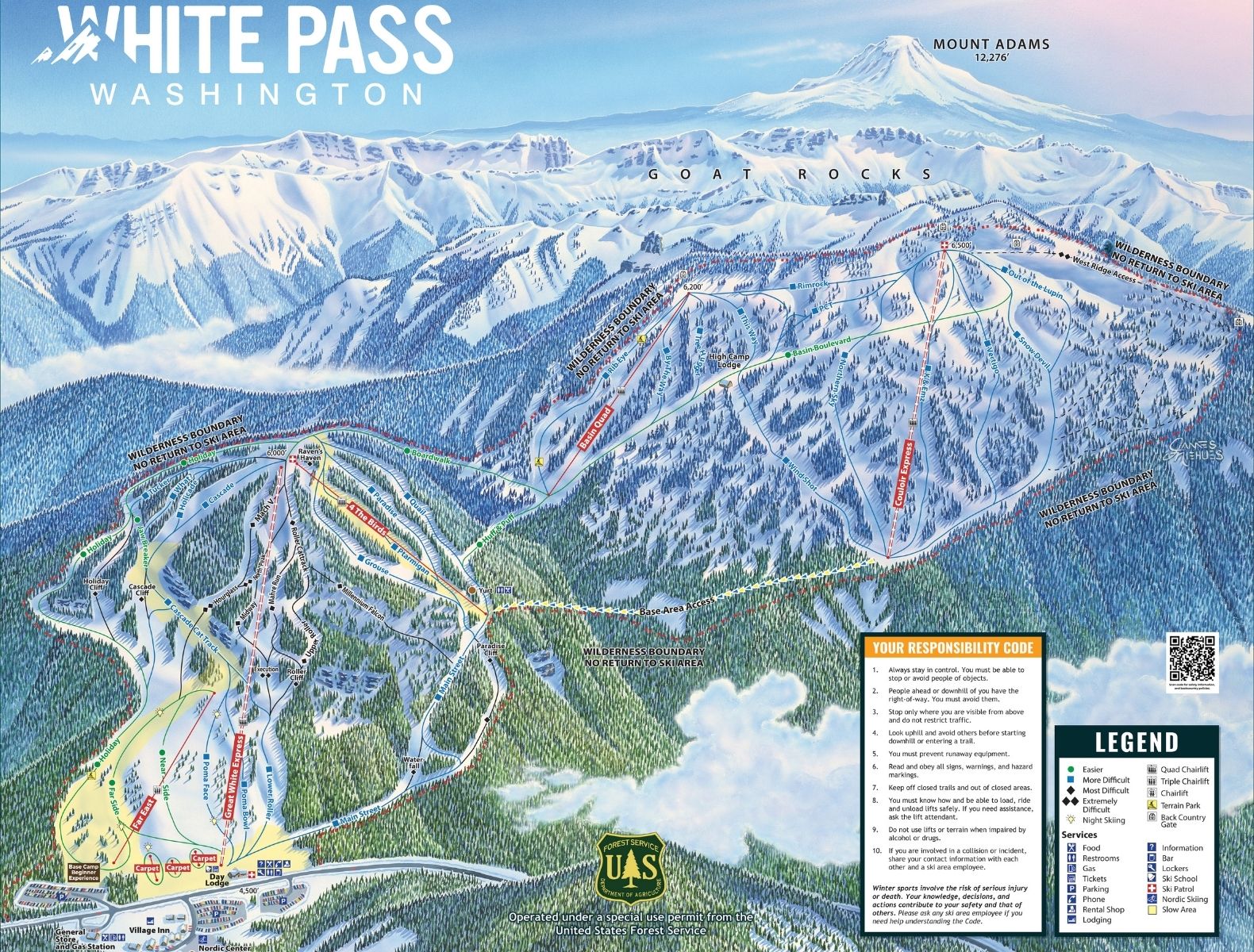 Trail map
All maps for White Pass →
Webcams & Proof of Powder
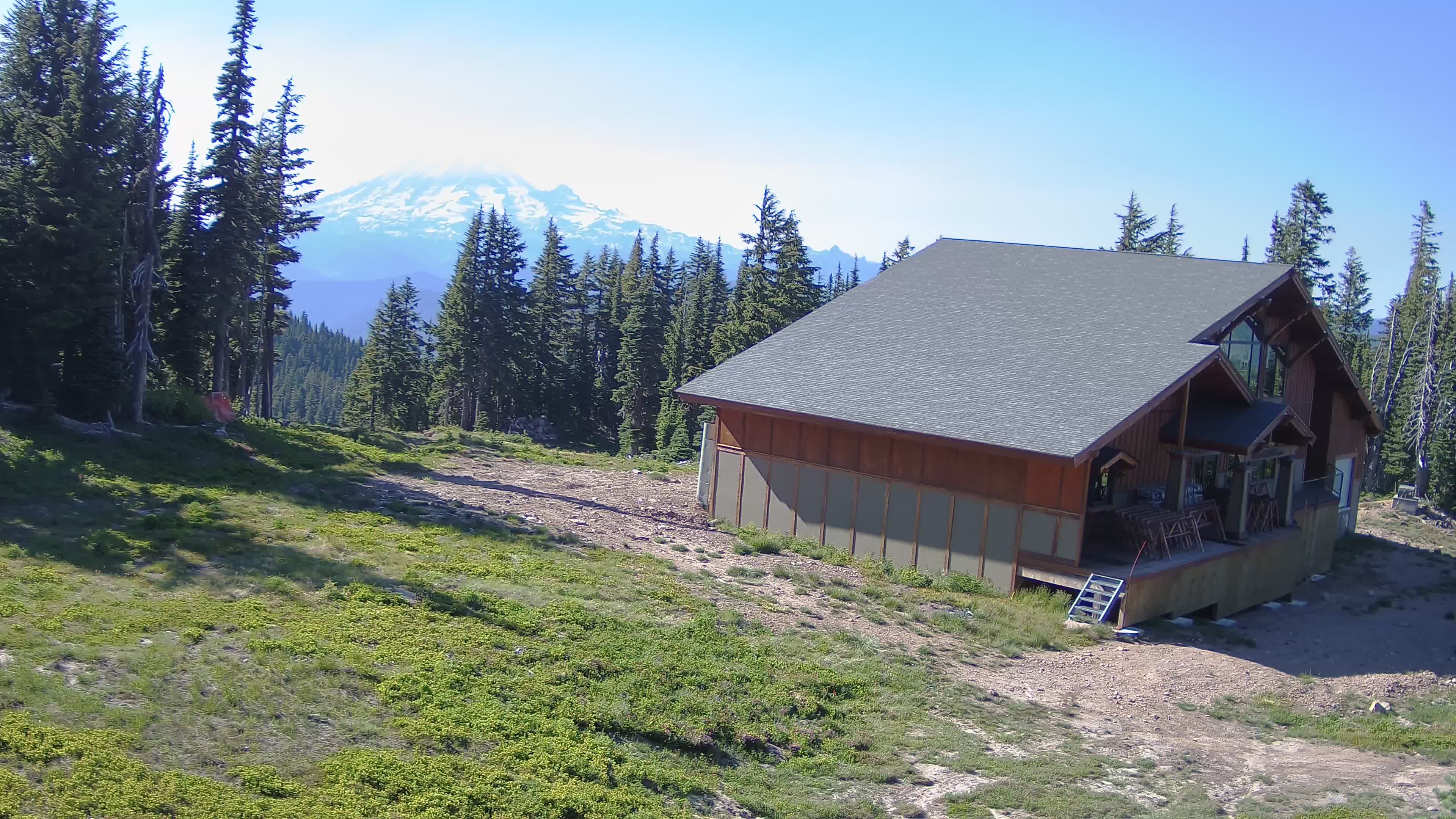 Whitepasshighcamp
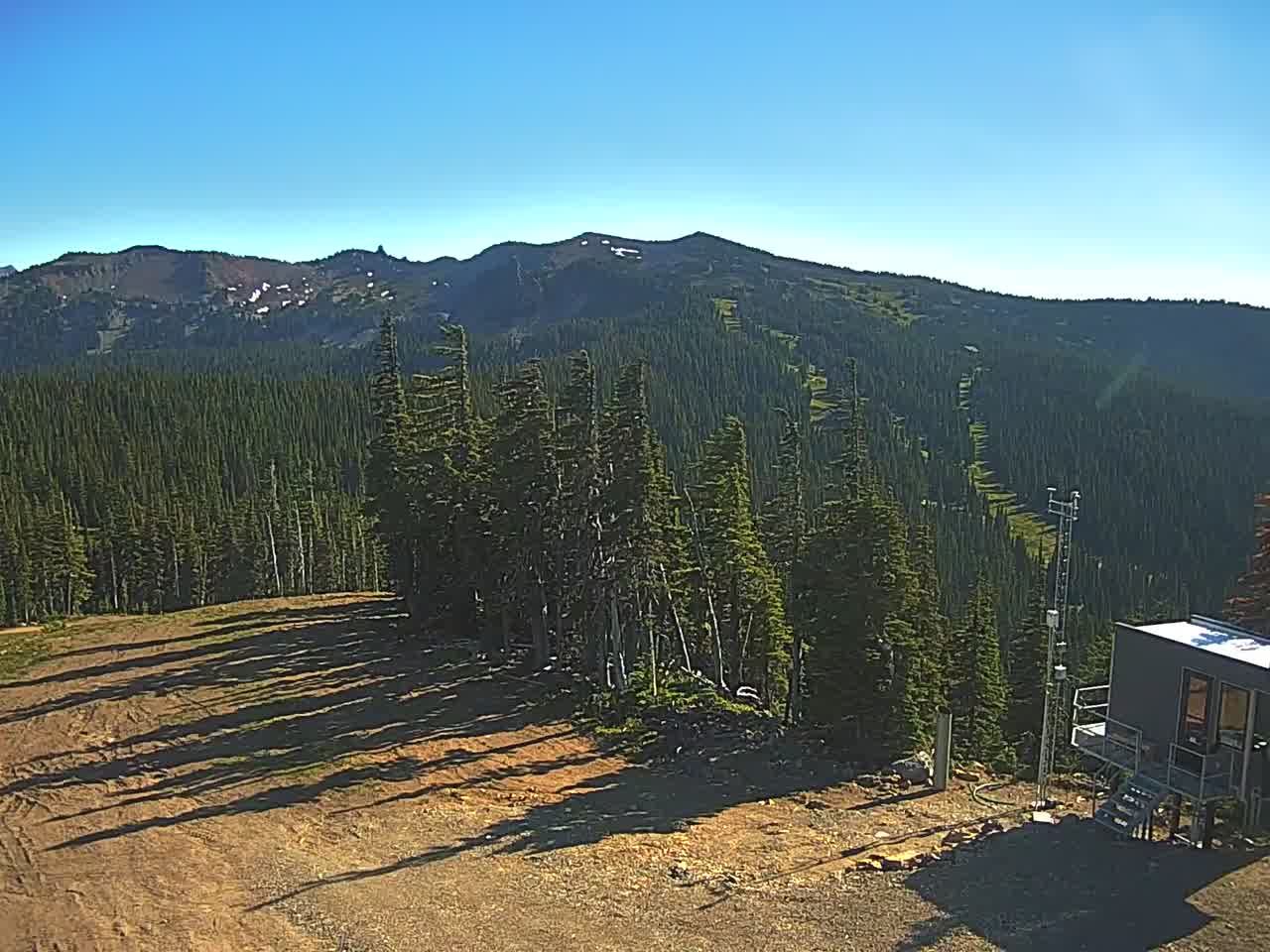 Pigtailpeak
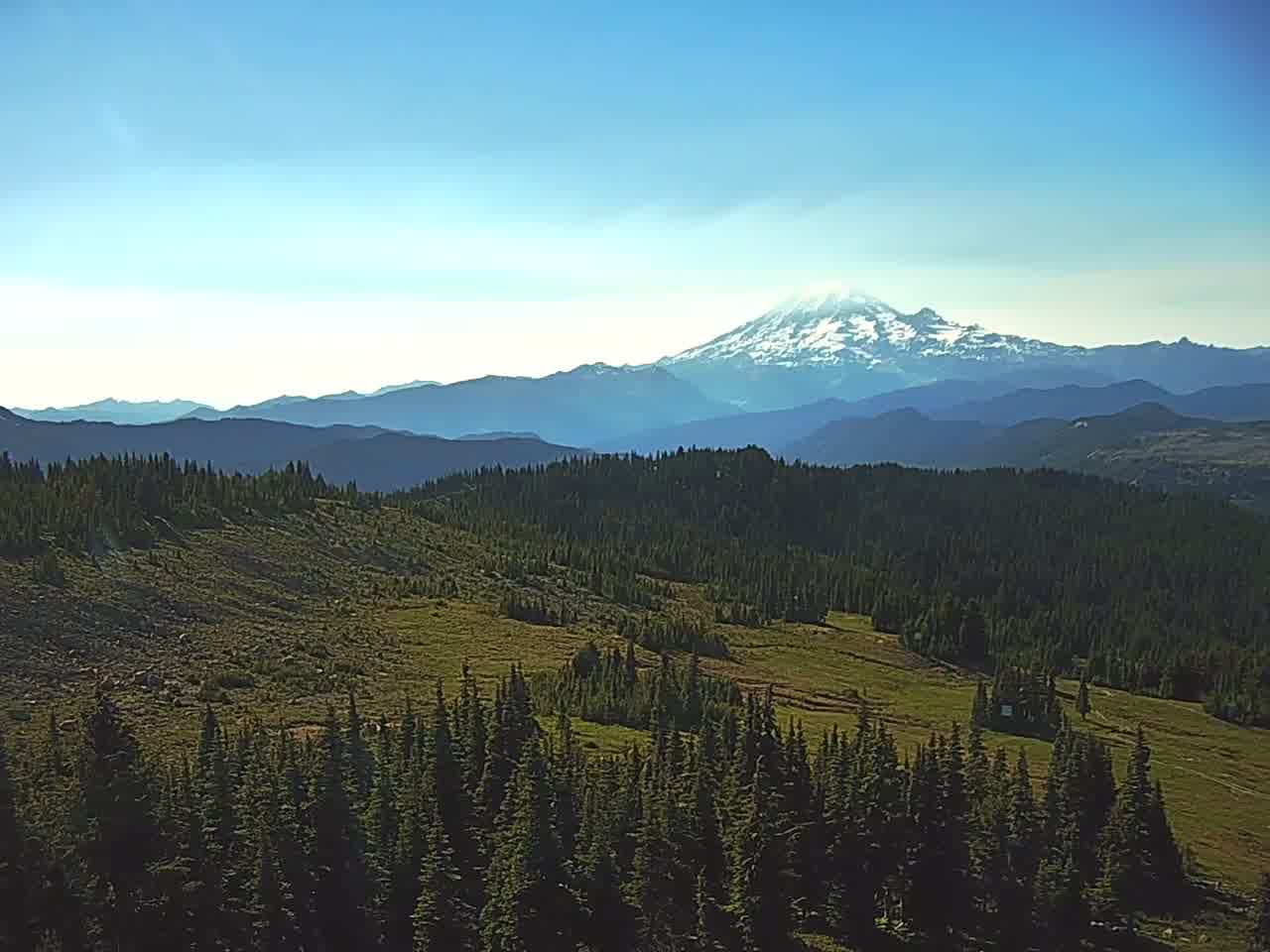 Couloir
All webcams & Proof of Powder →

About White Pass
White Pass is a ski resort located in Washington’s Cascade Mountains, offering over 1,400 acres of skiable terrain and a vertical drop of 2,000 feet. The resort features a relaxed, family-friendly atmosphere with a mix of groomed runs, glades, and challenging steeps, as well as Nordic trails and snowshoeing. Key amenities include two base lodges, on-mountain dining, equipment rentals, and a ski and snowboard school. White Pass is distinguished by its scenic alpine setting, reliable snowfall, and welcoming environment for skiers and riders of all abilities.
Read the full resort guide →Frequently asked questions about White Pass
- Where is White Pass?
- White Pass is a ski resort in the United States.
- How high is White Pass?
- White Pass runs from a base elevation of 1,372 m (4,501 ft) to a summit of 1,890 m (6,201 ft), giving a vertical drop of 518 m (1,699 ft).
- How big is White Pass?
- White Pass has 1,402 acres (567 hectares) of skiable terrain, 45 marked runs and 8 lifts.
- Which ski pass covers White Pass?
- White Pass is on the Indy Pass and Powder Alliance. Access terms such as blackout dates and day limits vary by pass tier, so check the pass operator for the current season.
- When is ski season at White Pass?
- White Pass typically operates from December to April. Exact opening and closing dates shift each year with snowfall — check the resort's current season dates before booking.
- How much snow does White Pass get in a typical season?
- White Pass averages 350 inches / 890 cm of snowfall in a typical season. Any individual season can run well above or below that.
- How will El Niño affect White Pass in winter 2026-27?
- El Niño Signal Rank: #337 of 488 SnowSure resorts · Tier E · strong-event signal -9% vs its own 30-yr average. In the three strongest El Niño winters on record ('97-98, '15-16, '23-24), White Pass averaged -9% versus its own 30-year snowfall baseline. The honest read: this is the fleet's deepest timing play. The snow still comes — it comes later and leaner, so point your winter 2026-27 trip at the historical late-winter peak, stay flexible on dates, and watch our monthly scorecard. Analog winters: '97-98 -12%, '15-16 -11%, '23-24 -4%. One caveat that always holds: a single storm cycle can beat the climatology.


